2x
In 2025, energy prices in the U.S. rose at roughly twice the rate of inflation.
The challenge
Public policy plays a critical role in the energy transition by encouraging research and development, providing government support to new technologies and infrastructure, incentivizing markets to support low-carbon solutions, and developing regulatory and permitting frameworks. As long as fossil fuels remain readily available and relatively inexpensive, achieving the goal of lowering emissions will likely require strong policies on adoption of renewables, reduction of emissions, pricing of carbon, and adaptation of infrastructure to accommodate increased electrification, renewable penetration, and alternate fuels.
Our impact
MITEI works closely with MIT’s Center for Energy and Environmental Policy Research and with the Center for Sustainability Science and Strategy on energy policy and economics and on studies that combine technical scenarios with models of emissions and economics.
The key topics that we have focused on in the policy arena include:
- Energy market design and pricing
- Universal energy affordability and access
- Building decarbonization strategies under technology, market, and regulatory uncertainty
- Carbon markets and carbon pricing approaches
- Policy and competitiveness of small modular reactors and nuclear cogeneration
Our work involves not only U.S. and European policies and markets, but also includes studies relevant to Japan, India, and other nations.
MITEI enables the modeling and evaluation of the impacts of energy-related policies to determine the most effective strategies to reduce emissions, accelerate innovation, and bolster energy security and access.
Projects
Log in to view member-only content.
Publications & reports
Log in to view member-only content.
Researchers
Log in to view member-only content.


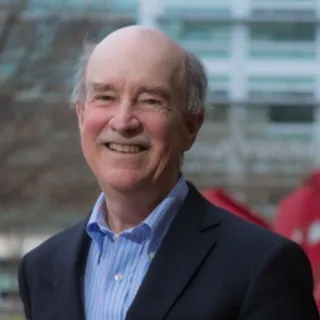

We have to balance clean energy transition pace and scale with energy security, with affordability, reliability, social equity, if we are going to succeed, in my view, at any of them. And we need to succeed at all of them.

Energy is one of the main drivers of economies, and as soon as you get a spike in prices of energy—particularly when you are not the one producing them—immediately there is an impact on the economy.

MITx course: Energy Economics and Policy
Take our open-access online course, Energy Economics and Policy, to learn the economic principles and characteristics of various interrelated energy markets. You will also study policy options and market mechanisms to drive more sustainable and equitable energy access.

Podcast: The next four years of U.S. energy
President Donald Trump vowed to repeal key climate and energy legislation enacted under the Biden administration. Hear MIT professor and economist Chris Knittel explain the potential short- and long-term climate and energy impacts of a Trump presidency.